
If facts are to be believed, Americans currently bear a student loan debt of $1.5 trillion. Isn’t it too much?
With the way cost of education has risen over the past decades to mind-numbing tuition-fee, parents and students have no choice but to opt for the much-hated loan. Graduates are often too tight at the wallet to afford the staggering installments, creating a lot of stress.
Does anyone have the remotest idea of an escape route? Well, experts say they do. If your student debt is more than you can handle, here are your best bets:
Debt Consolidation

pathdoc/Shutterstock: Debt Consolidation can help reduce the budgeting stress
High loan costs often mean that students have faced more than one tight spot while in school, which translates to multiple debts. These can get confusing as years go by, and keeping track of different terms becomes a disaster.
You’re better off consolidating all your debts into one, which makes the repayment process more manageable. At least the stress of budgeting your instalments gets lifted off.
Loan Refinancing
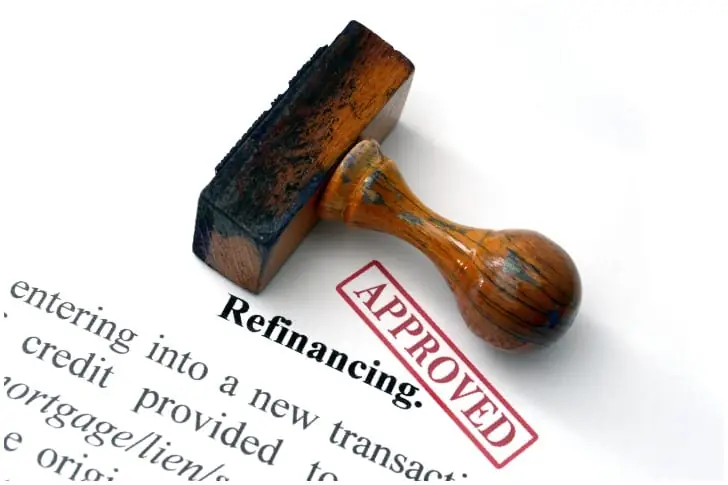
alexskopje/Shutterstock: Loan refinancing
You most likely got the loan back when you had a terrible credit score, which makes banks lend money at higher interest rates. Chances are, with better employment history and track records, it has gone up a notch.
So why bear the same cut-throat interest rates. Check your eligibility, and refinance your loans with a new fixed-rate and a lender who is willing to offer a lower monthly installment.
Requesting a Repayment Extension

Cris Kelly/Shutterstock: Repayment Extension
Maybe what you need is more time! To stretch out your installments over a more extended period until you get back on your feet.
If that is the case, extending the usual term of 10 years up to 25 or 30 would guarantee a smaller monthly payment. But there’s a silent-killer: Interest.
Seeking Income-Driven Repayment
Some borrowers, in federal loans only, can opt for the income-driven repayment, where you’re only expected to pay a percentage of your income, thereby lengthening the loan term, like the former option.
You are eligible for this route if you’re able to furnish enough evidence that your installments have put you in the officially defined term of ‘hardship’ level.
It would again mean you’re paying more as interest, but once your fixed term is expired, the balance is forgiven by the state. Of course, this is conditional with terms like good track history of on-time payments and bearing the income tax on the forgiven amount.
Weigh your capabilities, any other modes of income, and your pros and cons with these options. It will be easier to wiggle your way out of the debris sooner than you think!