Legal advice from ChatGPT may seem like a convenient and cost-effective solution for those facing legal challenges. AI tools like ChatGPT can provide quick answers, but accuracy and reliability are critical when it comes to legal matters. Unfortunately, the legal advice provided by these AI chatbots often leaves much to be desired.
5 Reasons Why You Shouldn’t Ask for Legal Advice from ChatGPT
Incorrect Legal Jurisdiction
One of the biggest issues with legal advice from ChatGPT is that it doesn’t always provide jurisdiction-specific answers. Legal systems vary greatly between regions, and laws in one country may not apply in another. ChatGPT might respond with laws from a completely different jurisdiction without indicating that its answers are not relevant to the user’s specific region.
This can cause confusion, especially for users unaware of these jurisdictional differences. For example, UK laws on renting or family matters differ between England, Wales, Scotland, and Northern Ireland. ChatGPT could easily mislead users by offering incorrect legal information without additional clarification.

Outdated Information
Legal advice needs to be current, as laws often change. However, AI models like ChatGPT are trained on data from various sources, and it’s difficult to determine how up-to-date that data is. This becomes problematic when ChatGPT provides information based on outdated laws. For instance, divorce laws in England and Wales changed in 2022, but ChatGPT may still offer advice based on old legal frameworks.
For anyone seeking legal guidance, outdated information can result in poor decisions. Relying on such advice can lead to complications, especially when new laws supersede previous regulations. Individuals may unknowingly make decisions that are no longer legally sound.
Free Versions Vs. Paid Versions
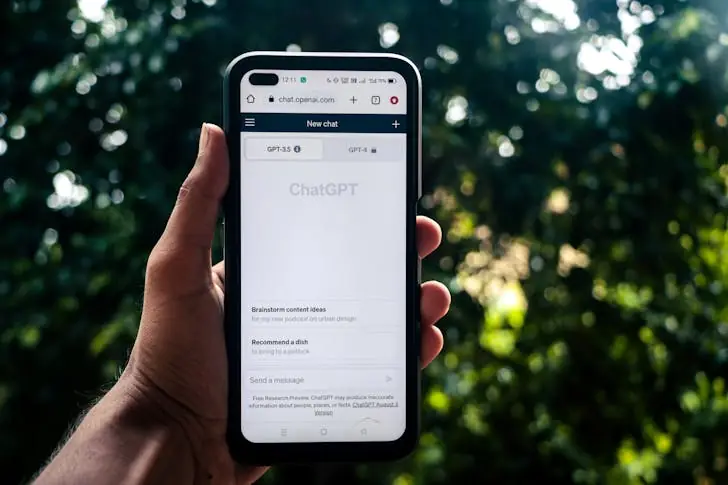
There is also a disparity in the quality of advice depending on whether users access the free or paid version of ChatGPT. ChatGPT-4, the paid version, tends to provide more accurate and detailed responses than its free counterpart. This difference in service quality creates an inequality for those unable to afford the paid version.
This pay-to-play model reinforces the existing digital and legal divides. Those who can’t afford professional legal services may turn to free AI tools only to receive subpar advice that doesn’t serve their needs. Legal guidance shouldn’t be a matter of affordability, but AI tools like ChatGPT risk exacerbating these inequalities.
Misleading or Incorrect Legal Advice
Another significant problem is that ChatGPT often delivers incorrect or incomplete legal advice. AI models generate responses by predicting the next word based on patterns in their data, not by fully understanding the legal situation. As a result, they might offer misleading information or skip critical aspects of the law.
Without a strong legal background, it’s almost impossible for users to evaluate the accuracy of this advice. While the responses may be well-written and convincing, they don’t always reflect the complexity of real legal issues. This is especially concerning in areas like family or employment law, where the stakes are high.
Too Generic to Be Helpful
One of the main limitations of ChatGPT’s legal advice is that it often provides generic answers that lack the detail needed to resolve specific issues. Legal situations are highly individualized, and a generalized response rarely addresses all the factors in a given case. While ChatGPT may outline broad principles, it fails to offer the practical, actionable steps necessary to navigate legal disputes.
For example, if someone asks about their rights as a tenant, ChatGPT might list general laws regarding tenancy but fail to account for unique lease terms or local regulations that could affect the outcome. Without specific guidance tailored to individual circumstances, the advice becomes less useful.