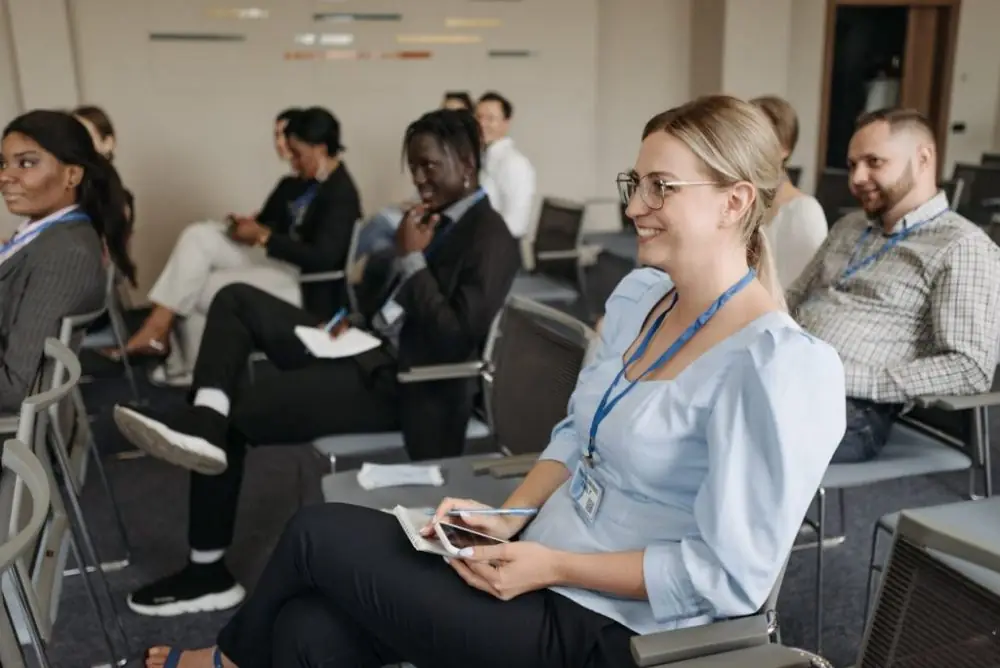
Employee development is more critical than ever in today’s fast-paced work environment, where skills quickly become outdated. Many organizations struggle to keep employees engaged in their roles while preparing them for future challenges. The solution lies in fostering a continuous learning culture that prioritizes personal and professional growth. Here are some of the best learning techniques to drive employee growth and ensure organizational success.
Offering Holistic Learning Opportunities
Learning opportunities beyond job-specific skills can spark employee curiosity and engagement. Providing access to courses on personal interests—such as creative writing, financial management, or wellness—shows a commitment to employees’ holistic growth.
While these opportunities may seem unrelated to work, they help employees build adaptable and innovative mindsets. This approach nurtures problem-solving abilities and boosts creativity, which directly benefits organizational culture and performance. Holistic learning also enhances job satisfaction, reducing turnover rates.
Aligning Learning With Skills Gaps
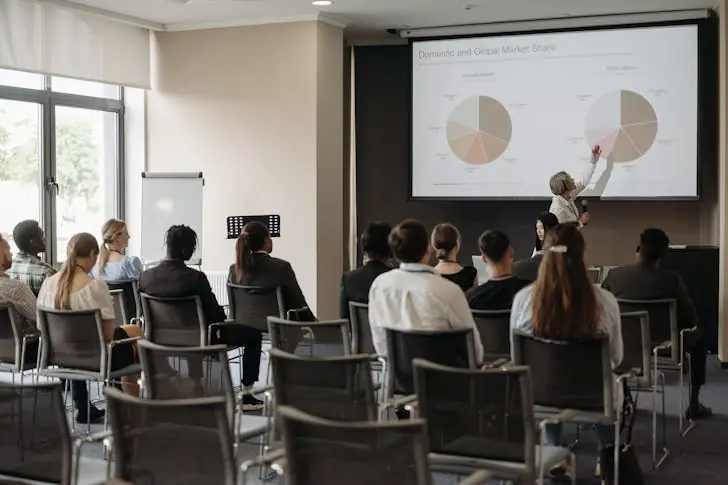
Targeted training programs that address skill gaps most impact employee performance. Begin by identifying areas where employees face challenges or where the organization has unmet needs. Develop tailored training initiatives to close these gaps.
Employees are more engaged in learning programs when they see clear relevance to their roles. Tracking progress over time through regular assessments reinforces the value of these programs. This strategy ensures that learning initiatives remain effective and aligned with organizational goals.
Tailoring Learning Formats to Individual Needs
Every employee learns differently, so offering multiple learning formats ensures inclusivity and engagement. Self-paced modules, video tutorials, and written guides cater to varied preferences. This flexibility allows employees to choose the format that best suits their learning style.
Providing accessible options also reduces barriers to participation. Employees who can learn at their own pace are more likely to retain information. Organizations demonstrate their commitment to empowering every team member by supporting diverse learning needs.
Encouraging Collaborative Learning
Collaboration is a powerful tool in employee development. Group learning sessions, peer-led workshops, or team-based projects foster knowledge sharing and collective growth. These methods also encourage employees to learn from each other’s experiences and perspectives.
When employees collaborate, they strengthen their problem-solving skills and build stronger workplace relationships. This sense of teamwork enhances engagement and morale, creating a supportive learning environment that benefits both individuals and the organization as a whole.

Incorporating Mentorship Into Learning
Pairing employees with mentors adds depth to learning programs. Mentors provide guidance, share experiences, and offer real-world applications of newly acquired skills. This one-on-one approach makes learning more practical and relatable.
Mentorship also strengthens workplace relationships, fostering a sense of belonging and support. Employees with mentors are more engaged and motivated, contributing to higher retention rates and improved performance. Integrating mentorship into learning programs helps create a collaborative and growth-oriented culture.
Incentivizing Continued Education
Incentives encourage employees to actively participate in learning programs. Tying training to promotions, salary increases, or recognition motivates employees to invest in their development. Adding gamification elements, such as points or rewards, can make learning enjoyable.
Employees become more invested when they see a clear connection between development and career advancement. This approach also benefits organizations by creating a well-prepared internal talent pool, reducing the need for external hires, and ensuring consistent growth.