PepsiCo stands as one of the most influential players in the global snacks and beverages sector, generating nearly $92 billion in revenue during FY2024. Yet, despite its scale, the company is trading at one of the steepest valuation discounts seen in decades. The reason lies in a miscalculated move—sharp price hikes aimed at countering inflation. While those increases supported profits in the short term, they dented product volumes, particularly in North America.
Management has since shifted gears, focusing on cost reductions and renewed growth strategies. The question now: can PepsiCo leverage its powerhouse brands and vertically integrated operations to restore momentum?
Understanding the Core Business
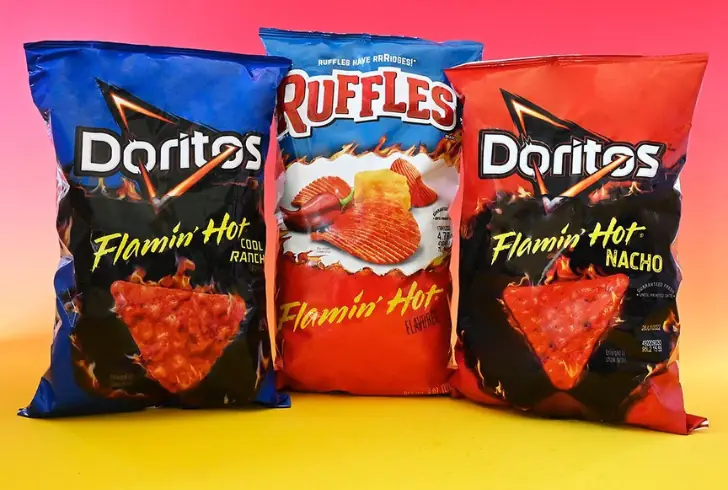
PepsiCo is far more than its namesake cola. In fact, the majority of its revenue stems from its salty snack portfolio—Lay’s, Doritos, Cheetos, and others—supplemented by convenient food brands such as Quaker and Cap’n Crunch. Beverages, including Pepsi, Gatorade, and Mountain Dew, make up the rest.
Unlike Coca-Cola’s leaner model, which relies heavily on licensing, PepsiCo operates an asset-heavy, vertically integrated structure. This includes manufacturing, logistics, and a vast direct-store delivery network reaching over 200 countries. In FY2024, snacks accounted for 58% of total revenue, while beverages contributed 42%. Frito-Lay remains the profit engine, delivering $24.8 billion in sales and $6.5 billion in operating profit.
The Growth Challenge
Aggressive price adjustments offset rising production costs but triggered volume declines:
1. Total company volume fell 2% in FY2024
2. North American beverage volume dropped 3.5% year-over-year
3. Frito-Lay’s volume declined 2.5%
With consumers becoming more price-conscious and turning to lower-cost alternatives, PepsiCo faces the task of reigniting demand. Another hurdle comes from evolving consumer preferences, where low-sugar, functional, and clean-label options are gaining traction. Emerging competitors like Olipop have capitalized on these trends, appealing to health-aware buyers.
Tariffs Add Pressure
Trade policy has introduced a fresh complication. The recent tariff proposals hit PepsiCo harder than its main rival. Concentrates produced in Ireland now face a 10% tariff, while Coca-Cola’s U.S.-based production largely avoids this impact. Both companies will contend with a 50% aluminum tariff, increasing packaging costs, though Coca-Cola has moved more swiftly toward PET bottles.
These tariffs arrive at a sensitive time, adding uncertainty to PepsiCo’s turnaround timeline. However, negotiations and lobbying efforts could alter the final outcome.
Recent Earnings and Signs of Stability
Despite these challenges, PepsiCo’s latest earnings report surprised analysts. Gains included volume growth in key regions like PFNA and EMEA, better trends in APAC and IB, and a slower decline in LATAM. Guidance for the year calls for low single-digit organic growth and flat EPS—a cautious outlook, yet strong enough to trigger a 7% share price jump in a single day.
If performance continues to improve and trade tensions ease, the stock has potential for 10–20% upside as valuations move toward historical averages.
Competitive Advantages
PepsiCo’s moat is reinforced by three main strengths:
1. Brand Power – Global household names across both snacks and beverages ensure loyalty and shelf visibility.
2. Vertical Integration – Full control from production to retail placement enables agility and consistent product quality.
3. Economies of Scale – Size allows for favorable supplier negotiations and substantial marketing investment, which fuels product innovation.
These factors make PepsiCo resilient, even in shifting market conditions.
Industry Position and Market Dynamics
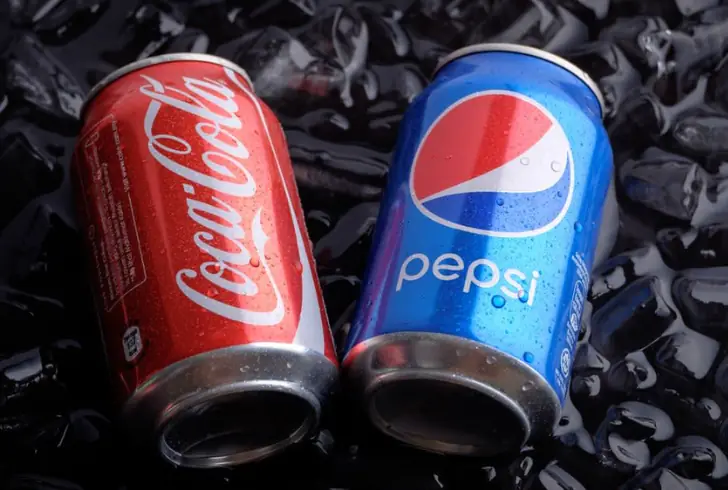
PepsiCo and Coca-Cola together dominate the U.S. beverage market, holding around 18% and 21% shares, respectively. Coca-Cola leads overseas, while PepsiCo’s diversified portfolio, especially in salty snacks, offers resilience. The global soft drink market shrank 3% in 2024, but salty snacks grew over 6%, which works in PepsiCo’s favor.
Consumer demand continues shifting toward healthier options, putting pressure on traditional sugary drinks and snacks. PepsiCo’s broad product range provides a buffer, but innovation remains crucial.
Shareholder Returns and Valuation
PepsiCo rewards shareholders with a reliable dividend currently yielding about 3.95%, growing at roughly 7% annually over the last five years. Its history of consistent payouts places it among dividend stalwarts.
The stock trades at a notable discount compared to Coca-Cola, partly due to short-term challenges. If PepsiCo manages to adjust to the market environment effectively, valuation multiples could move closer to historical averages, offering potential upside.
The Path Ahead for PepsiCo
PepsiCo’s recovery depends on balancing price discipline with volume restoration, adapting to health-driven trends, and managing tariff risks. The valuation gap with Coca-Cola reflects short-term uncertainties rather than permanent decline. With its brand strength, integrated supply chain, and diversified portfolio, PepsiCo holds the resources to regain momentum and deliver steady returns.
If strategic adjustments succeed, the company could reclaim market confidence, offering a compelling case for stability in a volatile economic environment.